


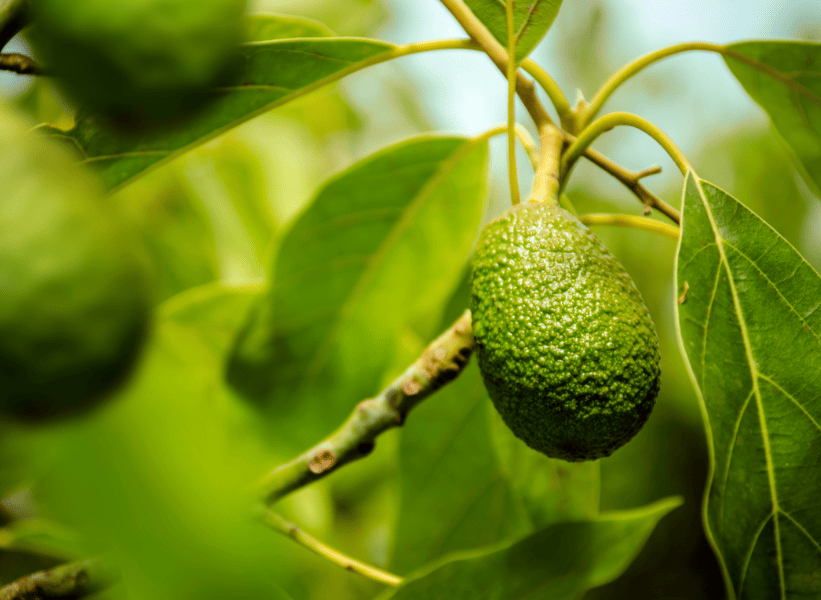


Are you seeking valuable insights and information on growing and caring for avocado trees? If so, you’ve arrived at the perfect destination.
Our comprehensive guide is designed to provide you with all the knowledge, tips, and guidance you need to excel in nurturing and maintaining avocado trees.
Whether you’re a novice or an experienced gardener, we’ve got you covered with detailed instructions, expert advice, and practical tips to ensure your avocado trees thrive and bear abundant fruit.
Get ready to embark on a rewarding journey of avocado tree cultivation with our reliable and comprehensive resource.
Let’s Start the Obvious

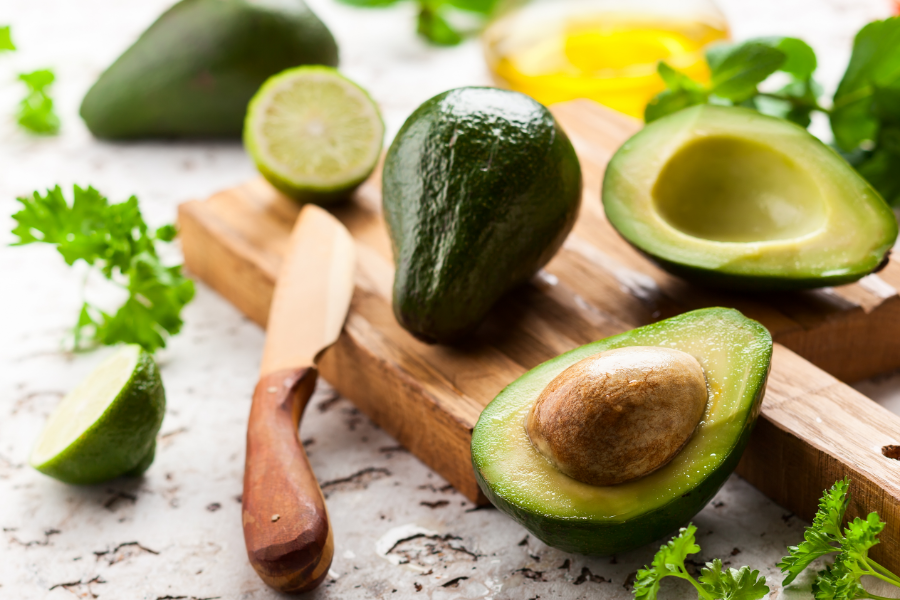
What is an Avocado? An avocado is a fruit that comes from the avocado tree, scientifically known as Persea americana.
- It is native to Mexico and Central America and is now cultivated in many other regions around the world. Avocados have a unique creamy texture and a mild, nutty flavor.
- Avocados are typically pear-shaped with green or dark brownish-green skin and a large seed at the center.
- Avocados are highly nutritious and are known for their high content of healthy fats, vitamins, minerals, and dietary fiber.
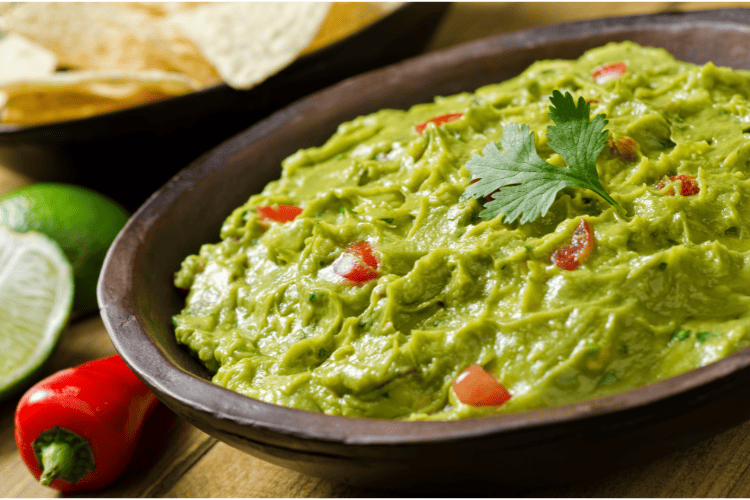
- They are a versatile fruit commonly used in various culinary preparations, including guacamole, salads, sandwiches, smoothies, and as a topping or ingredient in many dishes.

Avocado trees have gained popularity among home gardeners not only for their delicious fruits and attractive evergreen foliage but also for the numerous health benefits they offer.
Many people are unaware of the wide range of health benefits that avocados provide including:
- Heart-Healthy Fats: Avocados are rich in heart-healthy fats, such as monounsaturated fats, which can help promote cardiovascular health.
- Nutrient-Rich: Avocados are packed with essential nutrients, including vitamins, minerals, and dietary fiber, that contribute to overall well-being.
- Weight Management: Incorporating avocados into a balanced diet can support healthy weight management due to their satisfying nature and nutrient density.
- Digestive Health: The fiber content in avocados promotes healthy digestion and can help prevent digestive issues such as constipation.
- Eye Health: Avocados contain antioxidants and carotenoids, such as lutein and zeaxanthin, which are beneficial for maintaining good eye health.
- Skin Health: The abundance of vitamins and antioxidants in avocados can contribute to healthy skin by nourishing and protecting it from oxidative damage.
If you want to embark on an enjoyable journey of growing a tree that will later reward you with its exceptional benefits, then opting to grow an avocado tree is undoubtedly the perfect choice.
By growing an avocado tree, you not only get to experience the joy of cultivation but also gain access to the remarkable advantages that avocados bring to your well-being.
By embarking on this journey, you’ll not only experience the joy of cultivating a tree but also gain access to a wealth of incredible benefits that contribute to your overall well-being.
So, don’t miss out on the opportunity to relish the satisfying process of nurturing an avocado tree while reaping its remarkable health rewards.
This comprehensive guide on how to grow an avocado tree will provide you with all the information you need to successfully grow and care for avocado trees.
Avocado Tree Summary Details
| Attribute | Details |
|---|---|
| Common Name | Avocado |
| Botanical Name | Persea americana |
| Family | Lauraceae |
| Plant Type | Fruit tree |
| Mature Size | Varies depending on the variety, typically 30 to 65 feet tall |
| Sun Exposure | Full sun |
| Soil Type | Well-draining, loamy soil |
| Soil pH | 6.0 to 7.0 |
| Hardiness Zones | 9 to 11 |
| Native Areas | Mexico, Central America |
| Toxicity | Non-toxic to humans and pets |
| Health Benefits | Heart-Healthy Fats Nutrient-Rich Weight Management Digestive Health Eye Health Skin Health |
Care Steps When Growing Avocado Trees
Avocado trees, known for their delicious and nutritious fruits, require specific care to ensure their health and productivity. This expanded guide provides additional tips, resources, and tools to help you effectively care for your avocado trees.
Sunlight and Location
Avocado trees are sun-loving plants, thriving in locations with at least 6-8 hours of direct sunlight per day.
- Choose a spot in your garden or yard that receives ample sunlight to promote optimal growth and fruit production. If you’re growing your avocado tree indoors, place it near a south-facing window to ensure it gets plenty of sunlight.
| Tip: Young avocado trees can be sensitive to intense, direct sunlight. Consider using a shade cloth to protect the tree during the hottest part of the day, especially in the summer months. |
Well-Draining Soil
Avocado trees prefer well-draining soil to prevent waterlogging, which can cause root rot, a serious condition that can kill the tree. Ensure that the soil is loose and allows excess water to drain away easily.
Soil Composition: Avocado trees prefer slightly acidic soil with a pH between 6 and 6.5. The soil should be rich in organic matter. You can achieve this by adding compost or well-rotted manure to the planting hole.
Tip: If you’re growing the tree in a pot, make sure the container has adequate drainage holes. A layer of pebbles or small stones at the bottom of the pot can further aid drainage.
Watering
Watering is a crucial aspect of avocado tree care. Water avocado trees deeply and regularly to keep the soil consistently moist, but avoid overwatering which can lead to root rot. Allow the top few inches of soil to dry out slightly between watering sessions.
Tip: Use a moisture meter or the finger test (stick your finger in the soil to check moisture level) to determine when to water. Adjust the frequency of watering based on the weather conditions and the moisture level of the soil.
Fertilization
Fertilize avocado trees regularly to provide essential nutrients for healthy growth and fruiting. Use a balanced, slow-release fertilizer specifically formulated for fruit trees. Follow the instructions on the fertilizer package for proper application and timing.
Tip: Avocado trees require a high amount of Potassium (K), and sufficient amounts of Nitrogen (N), Phosphorus (P), and other trace elements like Zinc, Copper, and Boron. Make sure your fertilizer contains these essential nutrients.
Pruning
Regular pruning promotes a strong and balanced structure, removes dead or damaged branches, and controls the tree’s size. Prune during the late winter or early spring before new growth begins. Consult pruning guides or books on avocado tree care for detailed instructions.
Tip: Use clean, sharp pruning shears to make clean cuts, reducing the chances of disease transmission.
Harvesting
Avocado fruits can be harvested when they reach maturity and ripeness. The harvesting time varies depending on the avocado variety. Gently twist or cut the fruit from the tree, leaving a short stem attached. Allow the harvested avocados to ripen at room temperature.
Tip: Avocados do not ripen on the tree. They ripen after harvesting. An avocado is ripe when it feels heavy for its size and is slightly soft when gently squeezed.
Resources and Tools
- Pruning shears or sharp pruning tools for pruning.
- A balanced, slow-release fertilizer suitable for fruit trees.
- A moisture meter or the finger test to check soil moisture levels.
- Gardening guides or books on avocado tree care for detailed instructions.
Monitoring
Regularly monitor your avocado trees for any signs of pests or diseases. Common pests of avocado trees include the avocado lace bug, persea mite, and the avocado thrips. Diseases to watch out for include root rot, anthracnose, and canker diseases.
Tip: If you notice any signs of pests or disease, contact your local extension service or a trusted garden center for advice on treatment options.
Climate and Growing Conditions
Avocado trees are subtropical and do well in warm climates. They are hardy in USDA zones 10 through 12. If you live in a colder climate, consider growing your avocado tree in a container so you can bring it indoors during the winter.
Tip: Avocado trees are sensitive to wind which can cause desiccation and physical damage. Plant your tree in a protected spot or provide a windbreak if you live in a windy area.
Avocado trees can be worthwhile investment for any home gardener. They provide delicious and nutritious fruit, attractive foliage, and a tropical look to your landscape. Adjust the care routine based on your specific climate and growing conditions to ensure the best results. Happy growing!
Avocado Tree Varieties
Avocado trees are available in a multitude of cultivars, each showcasing unique characteristics and fruit qualities. Whether you prefer the buttery, nutty flavor of the Hass or the cold-tolerant Zutano, there’s an avocado variety for every preference and climate. This guide provides an overview of some commonly grown avocado varieties, detailing their origins, fruit characteristics, and harvest times.
Varieties
Hass Avocado (Persea americana ‘Hass’) – Hailing from California, USA, the Hass avocado is the most widely grown avocado variety globally, accounting for about 80% of all avocados consumed. These avocados are small to medium-sized with a dark purple or black skin when ripe and offer rich, creamy flesh. The Hass avocado is harvested from late fall to early spring and is perfect for slicing and adding to sandwiches, salads, and guacamole. It thrives best in USDA grow zones 9-11.
Tip: While Hass avocado trees can be self-pollinating, planting another avocado variety nearby can help increase fruit production.
Fuerte Avocado (Persea americana ‘Fuerte’)
Originating from Mexico, the Fuerte avocado was once the dominant commercial variety before the Hass gained popularity. These medium to large-sized, pear-shaped fruits have thin green skin and offer buttery and flavorful flesh. Harvested from late winter to early spring, the Fuerte avocado has a smooth and creamy texture, making it great for spreading on toast or incorporating into various dishes. This variety grows best in USDA grow zones 9-11.
Tip: Fuerte avocado trees are a type B avocado variety, meaning they have afternoon male and morning female flowering phases. Planting it near a type A avocado tree, like the Hass, can enhance cross-pollination and boost fruit yield.
Reed Avocado (Persea americana ‘Reed’)
The Reed avocado is a cultivar native to California, USA. Known for its large fruit size and high oil content, this variety produces large, round to oval-shaped fruits with green skin that turns black when ripe. The flesh is creamy and buttery, offering a rich, smooth texture and a mild, slightly sweet flavor. Harvested from summer to early fall, the Reed avocado is an excellent choice for salads or as a base for guacamole. This variety is suitable for USDA grow zones 10-12.
Tip: Reed avocado trees have a compact growth habit, making them suitable for small gardens or container growing, despite their large fruit size.
Bacon Avocado (Persea americana ‘Bacon’)
Named after its originator, James Bacon, the Bacon avocado originates from California, USA. This medium-sized, oval-shaped fruit has green skin and pale yellow flesh. It has a smooth, creamy texture and a mellow, nutty flavor. Harvested from late fall to winter, the Bacon avocado is often enjoyed sliced or diced in salads, sandwiches, and wraps. This variety is more cold-tolerant than most other avocado varieties, growing best in USDA zones 8-11.
Tip: Bacon avocado trees’ increased cold tolerance makes them a good choice for cooler climates.
Zutano Avocado (Persea americana ‘Zutano’)
The Zutano avocado, native to California, USA, is known for its early bearing and cold tolerance. This medium-sized, pear-shaped fruit has thin green skin and pale yellow flesh. With a mild, slightly watery flavor and a firm, smooth texture, it is commonly used as a base for guacamole or added to salads and sandwiches. The Zutano avocado is harvested from late fall to winter and grows best in USDA zones 8-11.
Tip: Zutano avocados may not be as rich in flavor as the Hass or Fuerte varieties, but their cold tolerance makes them a viable option for regions that experience frost.
Choosing the right avocado tree to grow involves considering various factors, such as taste preferences, harvest time, climate suitability, and regional adaptability. Consult with local nurseries or gardening experts to determine the best avocado varieties for your specific growing conditions.
Additional Resources
The USDA Plant Hardiness Zone Map is a useful tool for choosing the right avocado variety. By knowing your zone, you can select a variety that is well-suited to your local climate conditions.
Final Thoughts on Avocado Varieties
Remember, growing avocado trees requires patience, as they may take several years to start bearing fruit. However, the reward of fresh, homegrown avocados is certainly worth the wait.
When selecting an avocado tree variety to grow, consider factors such as taste preferences, harvest time, and regional adaptability. Consult with local nurseries or gardening experts to determine the best avocado varieties for your specific growing conditions. Happy gardening!
Pruning Avocado Trees
Pruning is a critical aspect of avocado tree care, fostering the health, shape, and productivity of the tree. It involves removing dead, diseased, or damaged branches, thinning crowded areas, and shaping the tree for balanced growth. This guide provides a comprehensive outline of the tools, timing, techniques, and additional tips for pruning avocado trees.
Essential Tools for Pruning
Pruning avocado trees requires a few basic tools to perform the task effectively:
- Pruning shears: These are ideal for cutting smaller branches and twigs.
- Loppers: These are necessary for cutting thicker branches, providing the leverage needed to make clean cuts.
- Sterilizing solution: Used to disinfect tools, this helps prevent the spread of diseases. Rubbing alcohol or a 10% bleach solution can be used for this purpose.
Tip: Always ensure your pruning tools are sharp. Dull tools can cause unnecessary damage to the tree, leading to potential disease entry points.
The Best Time to Prune
Pruning is best done during late winter or early spring, right before the new growth begins. This timing allows the tree to heal from the pruning wounds and recover its strength before entering the main growing season.
Note: Depending on the avocado variety and regional climate, the specific timing may vary. Local agricultural extension services can provide advice based on your specific situation.
Pruning Techniques
Understanding how to prune your avocado tree properly can help maintain its health and productivity. Here are some guidelines:
- Begin by identifying and removing any dead, diseased, or damaged branches. Cut them back to the healthy wood.
- Improve air circulation and light penetration by thinning out crowded areas of the tree. Remove branches that cross or rub against each other, as this can cause damage over time.
- Shape the tree by selectively removing excess growth, helping to maintain a balanced and aesthetically pleasing structure.
- Refrain from excessive pruning, as avocado trees can be sensitive to heavy pruning. Over-pruning can lead to tree stress and negatively impact fruit production.
Additional Tips for Pruning Avocado Trees
Consider these additional tips to ensure the best results when pruning your avocado trees:
- Sterilize your pruning tools before and after each use to prevent the spread of diseases. Dip the blades in a sterilizing solution or wipe them with rubbing alcohol.
- Make clean cuts just above a bud or lateral branch junction. This practice promotes proper healing and encourages new growth.
- Prune with caution. Avocado trees are sensitive to damage, and excessive pruning can lead to tree stress.
- If your avocado tree has grown too large or is difficult to manage, consider selective pruning to reduce its size. This process should be done gradually over a few years to avoid shocking the tree.
- Consult pruning guides or local horticultural experts for more specific instructions based on your avocado tree variety and growing conditions.
Pruning is a vital practice that promotes a healthy and productive avocado tree. By carefully removing dead or diseased branches, improving airflow and light penetration, and shaping the tree, you can ensure optimal growth and fruiting.
Remember, proper pruning is not just about removing branches; it’s about creating the conditions for a thriving tree.
Propagating Avocado Trees: Seeds and Grafting
Wondering how to grow an avocado seed? Growing avocado from seed is not hard but most underestimate the time it takes to see the fruits of your labor; That said, growing your own avocado plant can be a rewarding endeavor. There are two primary ways to do this: seed germination and grafting. Both have their benefits, and this guide will walk you through each method.
Are you curious about how to grow an avocado seed? Growing avocado from seed is a relatively straightforward process, although it requires patience as it takes time to see the results of your efforts.
However, the satisfaction of nurturing and growing your own avocado plant is truly rewarding. There are two main approaches to accomplish this: seed germination and grafting.
Each method has its advantages, and in this guide, we will provide you with step-by-step instructions for both techniques.
Whether you choose seed germination or grafting, you’ll soon be on your way to cultivating your very own thriving avocado plant.
Seed Germination
Growing an avocado tree from a seed can be a fun and educational process. Here’s the process broken down into steps:
| Step | Description |
|---|---|
| One Obtain a Seed | Start with a ripe avocado. Extract the large seed from inside. This seed will become your new avocado tree. |
| Two Prepare the Seed | Clean the seed thoroughly to remove any remaining avocado flesh. Be careful not to damage the seed during this process. |
| Three Support the Seed | Use three or four toothpicks to suspend the seed over a glass or jar. The bottom half of the seed (the wider end) should be submerged in water. |
| Four Placement | Find a warm, sunny location for your seed. This could be a windowsill or a spot outside that gets a lot of sun. Ensure the water level in the glass or jar remains consistent so the bottom half of the seed is always in water. |
| Five Wait for Growth | In a few weeks, you should see roots sprouting from the bottom of the seed and a stem growing from the top. This means your seed is germinating successfully! |
| Six Transplant | Once the stem reaches about six inches in height and has several leaves, it’s time to plant your seedling. Choose a pot that’s large enough for growth and fill it with well-draining soil. Make a hole in the center of the soil and gently place your seedling in it, taking care not to damage the roots. |
| Seven Care for the Seedling | Keep providing your young tree with plenty of sunlight and water. The soil should always be moist but not waterlogged. |
| Eight Fertilizer | To encourage growth, apply a balanced, slow-release fertilizer. The fertilizer should be specially formulated for fruit trees. Always follow the instructions on the fertilizer package. |
| Nine Mulch | Adding a layer of mulch around the base of your tree can help retain moisture and prevent weeds. Use organic mulch like wood chips or straw, and be careful not to let the mulch touch the tree’s stem. |
Grafting
Grafting involves joining a young, growing plant (the scion) to an established plant (the rootstock). The process requires a bit more skill but is commonly used for avocado propagation due to its ability to replicate desired characteristics of the parent tree.
- Select the Scion and Rootstock: Choose a healthy, disease-free branch from a mature avocado tree as your scion. The rootstock should be a vigorous, young avocado tree.
- Prepare the Scion: Cut a branch from the parent tree that has multiple buds. Trim it to around six inches long.
- Prepare the Rootstock: Make a cut in the stem of the rootstock, usually a “V” or “U” shaped cut.
- Join the Scion to the Rootstock: Fit the scion into the cut on the rootstock. They should fit together snugly.
- Secure the Graft: Wrap the graft area tightly with grafting tape to hold the two pieces together and prevent moisture loss.
- Wait for Growth: After a few weeks, the graft should begin to grow together. Once new growth appears on the scion, the grafting is successful.
Tools and Tips
Tools:
- For seed germination: ripe avocado, toothpicks, glass or jar, pot with well-draining soil
- For grafting: grafting knife, grafting tape, rootstock, scion from a mature avocado tree
Tips:
- Ensure you use clean, sharp tools to avoid spreading disease.
- When grafting, make sure that the scion and rootstock are compatible and of similar size for a successful graft.
- Patience is crucial; both methods require time for the plant to establish and grow.
By understanding how to grow an avocado seed germination and grafting, you can choose the best method for your gardening goals and resources. With patience and care, you can successfully propagate and grow your own avocado trees.
Additional Resources
Seed Germination:
- University of California Cooperative Extension: This extension service provides a plethora of resources on gardening, including avocado tree care. Check out their guidelines for growing avocados at home, which includes a section on avocado seed growing & germination.
- California Avocado Commission: The California Avocado Commission has a step-by-step guide on how to grow an avocado tree from a seed.
Grafting:
- University of Florida IFAS Extension: This extension service has a detailed guide on grafting avocado trees, including the best times to graft and how to care for a newly grafted tree.
- University of California Agriculture and Natural Resources: Check out their information on grafting, which provides a general overview of the process and its benefits.
Remember, the success of both germination and grafting largely depends on the specific conditions of your area, including climate, soil type, and the specific variety of avocado you’re trying to grow. Local Cooperative Extension services can be an excellent resource for tailored advice.
Growing Avocado Trees in Containers
Avocado trees can also be successfully grown in containers, making them an excellent choice for those with limited garden space or for individuals living in cooler climates. Here are some tips for growing avocado trees in containers:
Potting
- Choose a large container with drainage holes that is at least 12 to 20 inches in diameter to accommodate the tree’s root system.
- Use a well-draining potting mix specifically formulated for containers or create a mixture of peat moss, perlite, and compost.
- Plant the avocado tree at the same depth it was previously growing, ensuring that the top of the root ball is level with the soil surface.
Sunlight and Location
- Place the container in a sunny location where the avocado tree can receive at least 6-8 hours of direct sunlight per day. A south-facing position is ideal.
- If growing indoors, choose a spot near a large, sunny window or
use grow lights to provide adequate light for the tree.
Watering
- Ensure the container has proper drainage to prevent waterlogging and root rot.
- Water the avocado tree thoroughly whenever the top inch of soil feels dry. Avoid overwatering, as it can lead to root rot.
- Allow excess water to drain away from the container and discard any standing water.
Fertilization
- Fertilize container-grown avocado trees regularly with a balanced, slow-release fertilizer formulated for fruit trees. Follow the instructions on the fertilizer package for proper application and timing.
- Avoid overfertilization, as excessive nutrients can be harmful to the tree.
Pruning
- Regularly prune container-grown avocado trees to maintain a manageable size and shape. Focus on removing dead or overcrowded branches.
- Pruning can also help promote air circulation within the canopy and encourage better fruiting.
Overwintering
- In colder climates, container-grown avocado trees should be brought indoors before the first frost. Place the container in a warm, well-lit area, such as a heated greenhouse, sunroom, or near a sunny window.
- During the winter months, reduce watering and avoid fertilization. Avocado trees go through a period of dormancy during this time.
Common Problems & Diseases Encountered When Growing Avocado Trees
Avocado trees may encounter various problems and diseases. Here are some common issues and tips for addressing them:
Pests
- Avocado trees can be affected by pests such as aphids, spider mites, and scale insects. Monitor the tree regularly and treat infestations promptly.
- Use insecticidal soap, neem oil, or other organic pest control methods to manage pests. Follow the instructions provided by the manufacturer.
Diseases
- Phytophthora root rot is a common disease in avocado trees. To prevent it, ensure proper drainage, avoid overwatering, and maintain a healthy root system.
- Anthracnose, caused by a fungal pathogen, can affect leaves and fruit. Prune infected parts and apply fungicides if necessary.
- Preventive measures such as providing good air circulation, avoiding overcrowding, and practicing good sanitation can help reduce the risk of diseases.
Resources and References
Here are some helpful resources and references for further guidance on growing and caring for avocado trees:
- University of California Agriculture and Natural Resources: Avocado Information
- University of Florida IFAS Extension: Avocado Production in the Home Landscape
- Avocado Source: A Comprehensive Avocado Resource
By following these tips and referring to reputable resources, you can successfully grow and care for avocado trees, whether in the ground or in containers. Enjoy the process and the rewarding experience of harvesting your own delicious avocados!